John Baptist Grano
1692–1748
- Nationality
- Kingdom of Great Britain
- Occupation
- composer
John Baptist Grano (c.
Incarceration history
Facilities
- MarshalseaDates unknown
Biography
John Baptist Grano (c. 1692 â c. 1748) was an English trumpeter, flutist and composer, who worked with George Frederick Handel at the opera house in London's Haymarket. Grano is best known for having been imprisoned for a debt of £99 in the notorious Marshalsea prison in Southwark from May 1728 until September 1729. He kept a diary of his time there, the manuscript of which is held in the Bodleian Library, Oxford. It was published in 1998 as Handel's Trumpeter: The Diary of John Grano, edited by John Ginger, with a foreword by Crispian Steele-Perkins. The diary has become an important primary source of material about the Marshalsea. It details Grano's friendships, love affairs and adventures as he struggles to earn enough money to buy his freedom.
Related people
Same nationality and era where possible; falls back to shared nationality or era.
 Jonathan Wild1683–1725Kingdom of Great Britain
Jonathan Wild, also spelled Wilde (1682 or 1683 â 24 May 1725), was an English thief-taker and a major figure in London's criminal underworld, notable for operating on both sides of the law, posing as a public-spirited vigilante entitled the "Thief-Taker General".
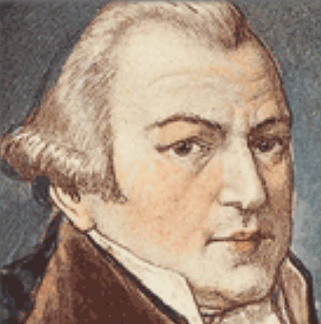 John Cleland1709–1789Kingdom of Great Britain
John Cleland (24 September 1709 â 23 January 1789) was an English novelist best known for his fictional Fanny Hill: or, the Memoirs of a Woman of Pleasure, whose eroticism led to his arrest.
 Jack Sheppard1702–1724Kingdom of Great Britain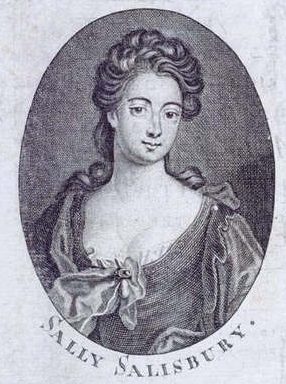
- Hannah Glasse1708–1770Kingdom of Great Britain
Hannah Glasse (née Allgood; March 1708 â 1 September 1770) was an English cookery writer.
- Charles Hall1740–1825Kingdom of Great Britain
Charles Hall (1740â1825) was a British physician, social critic and Ricardian socialist who published The Effects of Civilization on the People in European States in 1805, condemning capitalism for its inability to provide for the poor.