
Jack Sheppard
1702–1724
- Nationality
- Kingdom of Great Britain
- Occupation
- thief
Incarceration history
Facilities
- Newgate PrisonDates unknown
Biography
John Sheppard (4 March 1702 â 16 November 1724), nicknamed "Honest Jack", "Gentleman Jack" or "Jack the Lad" (the origin of the British phrase), was an English criminal who became notorious in early 18th-century London. Born into a poor family, he was apprenticed as a carpenter, but began committing theft and burglary in 1723 with little more than a year of his training to complete. He was arrested and imprisoned five times in 1724, but escaped four times from prison, making him notorious, though popular with the poorer classes. Ultimately, he was caught, convicted, and hanged at Tyburn, ending his brief criminal career after less than two years. The inability of the notorious "Thief-Taker General" Jonathan Wild to control Sheppard, and injuries suffered by Wild at the hands of Sheppard's colleague Joseph "Blueskin" Blake, resulted in Wild's demise as a criminal boss. Sheppard was as renowned for his attempts to escape from prison as he was for his crimes. An autobiographical "Narrative", thought to have been ghostwritten by Daniel Defoe, was sold at his execution, quickly followed by popular plays. The character of Macheath in John Gay's The Beggar's Opera (1728) was based on Sheppard, keeping him well known for more than 100 years. He returned to the public consciousness around 1840, when William Harrison Ainsworth wrote a novel entitled Jack Sheppard, with illustrations by George Cruikshank. The popularity of his tale, and the fear that others would be drawn to emulate his behaviour, caused the authorities to refuse to license any plays in London with "Jack Sheppard" in the title for forty years.
Related people
Same nationality and era where possible; falls back to shared nationality or era.
 Jonathan Wild1683–1725Kingdom of Great Britain
Jonathan Wild, also spelled Wilde (1682 or 1683 â 24 May 1725), was an English thief-taker and a major figure in London's criminal underworld, notable for operating on both sides of the law, posing as a public-spirited vigilante entitled the "Thief-Taker General".
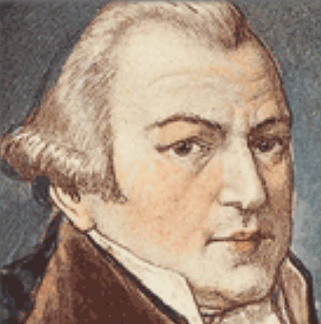 John Cleland1709–1789Kingdom of Great Britain
John Cleland (24 September 1709 â 23 January 1789) was an English novelist best known for his fictional Fanny Hill: or, the Memoirs of a Woman of Pleasure, whose eroticism led to his arrest.
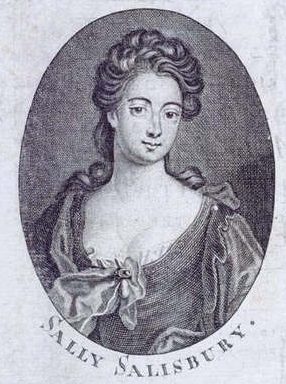
- Hannah Glasse1708–1770Kingdom of Great Britain
Hannah Glasse (née Allgood; March 1708 â 1 September 1770) was an English cookery writer.
- Charles Hall1740–1825Kingdom of Great Britain
Charles Hall (1740â1825) was a British physician, social critic and Ricardian socialist who published The Effects of Civilization on the People in European States in 1805, condemning capitalism for its inability to provide for the poor.