All persons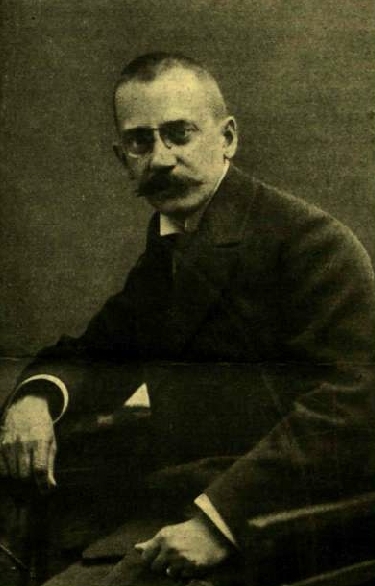
Gusztáv Gratz
1875–1946
- Nationality
- Hungary
- Occupation
- economist
Gusztáv Gratz (30 March 1875 in Gölnicbánya â 21 November 1946 in Budapest) was a Hungarian politician, who served as Minister of Foreign Affairs in 1921.
Incarceration history
Facilities
- Mauthausen concentration campDates unknown
Biography
Gusztáv Gratz (30 March 1875 in Gölnicbánya â 21 November 1946 in Budapest) was a Hungarian politician, who served as Minister of Foreign Affairs in 1921. He was a correspondent member of the Hungarian Academy of Sciences. Gratz published in the Huszadik Század and the Társadalomtudományi Társaság newspapers. He was a representative in the National Assembly from 1906. He also served as managing director of the National Association of Manufacturers (GYOSZ). In 1917 he was appointed Minister of Finance in Móric Esterházy's cabinet. He took part in the peace negotiations' economical parts during the Treaty of Brest-Litovsk and Treaty of Bucharest. From 22 November 1919 he was the Hungarian ambassador to Austria. After he served as Minister of Foreign Affairs until Charles I of Austria's attempts to retake the throne of Hungary. As legitimist politician Gratz participated in the planning of the second coup. That's why he was imprisoned for a short time. Gratz pursued a journalism, historian's and economic activity then.
Related people
Same nationality and era where possible; falls back to shared nationality or era.
 August Cesarec1893–1941Hungary
August Cesarec (4 December 1893 â 17 July 1941) was a Croatian writer and communist activist from the interwar period. Cesarec was born in Zagreb, then part of Austria-Hungary.
 Aranka Böhm1893–1944Hungary
- Yissachar Shlomo Teichtal1885–1945Hungary
Yissachar Shlomo Teichtal (9 February 1885â24 January 1945) was one of the few European rabbis to break ranks with Ashkenazi Orthodox Judaism to support an active effort to settle the Land of Israel, then part of Ottoman Palestine and later Mandatory Palestine.
 Stefan Jurech1898–1945Hungary
- Arthur Hirsch1893Hungary
 Marcell Madarassy1873–1945Hungary