All persons
Edith Kiss
1905–1966
- Nationality
- Hungary
- Occupation
- sculptor
Edith Bán Kiss (also Edit, née Rott 1905 â 27 October 1966) was a Hungarian sculptor and painter.
Incarceration history
Facilities
- Ravensbrück concentration campDates unknown
Biography
Edith Bán Kiss (also Edit, née Rott 1905 â 27 October 1966) was a Hungarian sculptor and painter. In the autumn of 1944, she was deported to the Ravensbrück concentration camp in northern Germany and then transferred to the Daimler-Benz factory at Ludwigsfelde where she was forced to work on aircraft engines for the Luftwaffe. Shortly after her release at the end of the war, she illustrated her experiences of concentration camps with 30 gouache sketches which were exhibited in Budapest in late 1945. There was however little recognition of her work in the West. As a result, following the death of her husband she committed suicide in Paris in 1966. In 1992, her Deportation series was exhibited in Berlin, Paris and Budapest.
Related people
Same nationality and era where possible; falls back to shared nationality or era.
- Eugene Heimler1922–1990Hungary
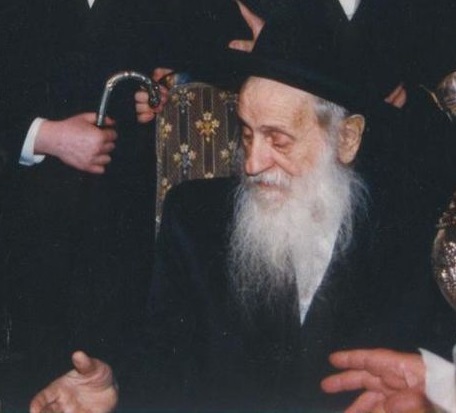 Moshe Teitelbaum1914–2006Hungary
Moshe (Moses) Teitelbaum (Yiddish: ××©× ×ײ××××±×; November 17, 1914 â April 24, 2006) was a Hungarian-American Hasidic rebbe and the world leader of the Satmar Hasidim.
- Laszlo Berkowits1928–2020Hungary
- Margit Feldman1929–2020Hungary
Margit Buchhalter Feldman (June 12, 1929 â April 14, 2020) was a Hungarian-American public speaker, educator, activist, and Holocaust survivor.
 August Cesarec1893–1941Hungary
August Cesarec (4 December 1893 â 17 July 1941) was a Croatian writer and communist activist from the interwar period. Cesarec was born in Zagreb, then part of Austria-Hungary.
 Amos Manor1918–2007Hungary
Amos Manor (Hebrew: ×¢××ס ×× ×ר; October 8, 1918 â August 5, 2007) was Director of the Shin Bet, Israel's internal intelligence and security service, from 1953 until 1963.