United Kingdom · North West England · Wilmslow
HMP Styal
Data is aggregated from public sources and may be incomplete or out of date. Always verify with primary sources before acting on any figure. See data sources.
For families
How to send mail, money, and visit HMP Styal
Step-by-step guidance using the United Kingdom system — addresses, money services, visit booking, what to bring on your first visit.
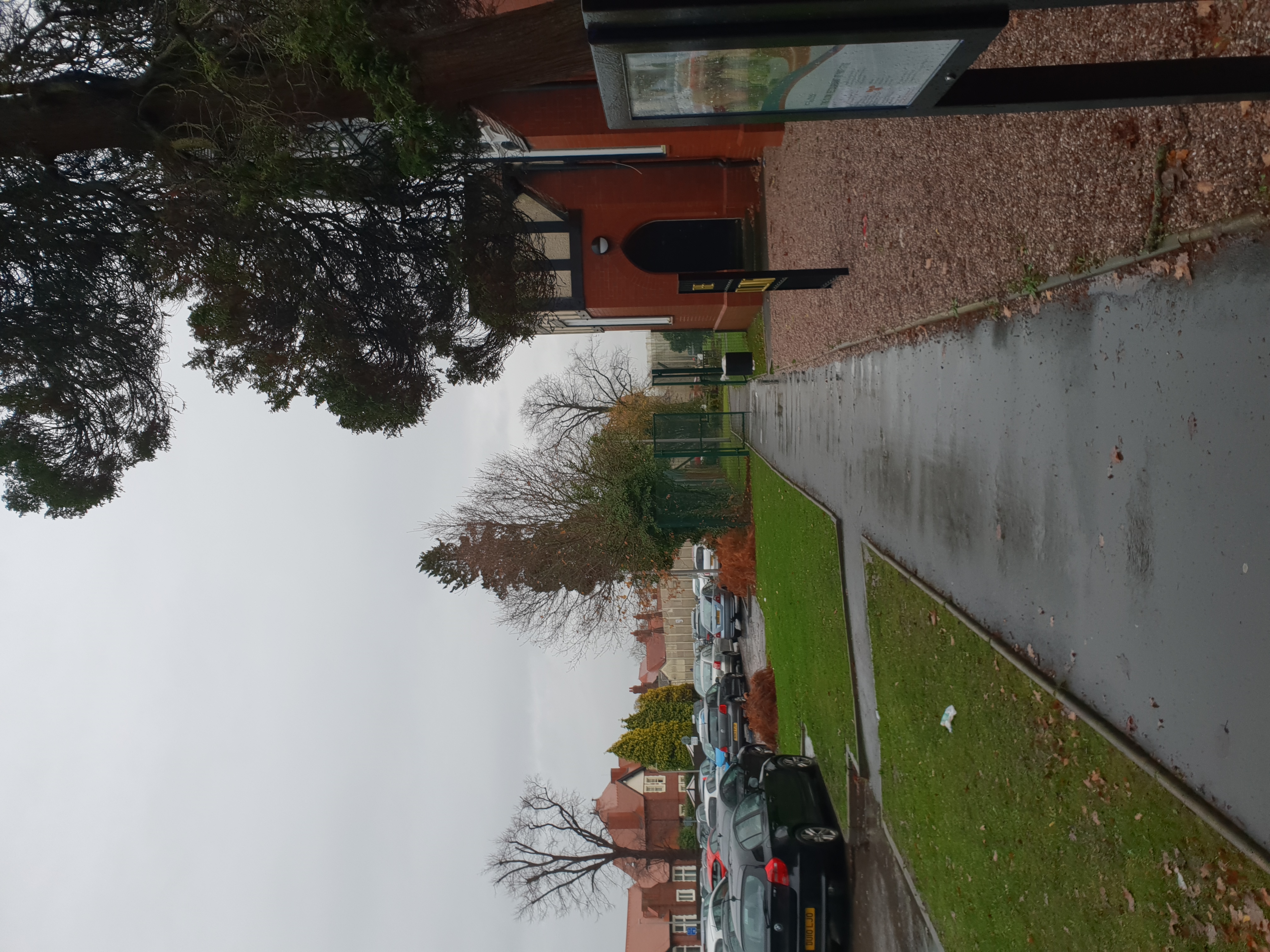
Gallery
From Wikimedia Commons (CC-BY-SA where not otherwise stated).

Photo by PrisonImage via Wikimedia Commons (CC BY 3.0)

Photo by Anthony O'Neil via Wikimedia Commons (CC BY-SA 2.0)

Photo by Anthony O'Neil via Wikimedia Commons (CC BY-SA 2.0)

Photo by Liverpoolpics via Wikimedia Commons (CC BY-SA 3.0)

Photo by David Dixon via Wikimedia Commons (CC BY-SA 2.0)

Photo by Anthony O'Neil via Wikimedia Commons (CC BY-SA 2.0)
Largest female prison in northern England. Includes a mother-and-baby unit.
Background
HM Prison Styal is a Closed Category prison for female adults and young offenders in Styal, Cheshire, England. The prison is operated by His Majesty's Prison Service.
Source: Wikipedia article lead, CC-BY-SA.
Capacity
460
Current population
—
Occupancy
—
Year opened
1962
Operational
Figures from official sources · verified 7 Jul 2026 · methodology
Facility profile
Operator
HM Prison & Probation ServicePopulation held
female
Opened
1962
Region
North West England
Security level
High
Death-row facility
No
Conditions
Unit. Up to 25 women could be held in open conditions in a unit just outside the Under such conditions it was perhaps not surprising that there had been an increase in levels of violence since we last inspected as frustrations began to Though restrictions had begun to be lifted, the leaders had sensibly decided not long-term problems with drugs entering the premises. Leaders had also sought to address the high levels of self-harm among some of impressive, weekly safety interventions meeting (SIM) sought to understand the staff did their best to support the women in completely unsuitable conditions. women were living in open conditions. — UK IMB Annual Report (2024) — Safety: The Board has observed a multi-disciplinary and responsive approach to safety. This has been demonstrated through strong leadership, effective analysis of data, extensive knowledge of prisoner needs and a high level of care and compassion. The development of a trauma-informed environment and the increased focus on psychological support for prisoners has helped to promote positive early [...] Respect: 5.1 Accommodation, clothing, food The long-standing maintenance and repair delays to the accommodation continue. There is still a significant fire risk, as indicated in our report for 2021-2022, to prisoners who reside in the 15 houses which have not yet been refurbished at Styal. Despite some work to improve fire safety, the Crown Premises Fire Safety Inspectorate (CPFSI) has issued enforcement [...] Purposeful activity: The Board have observed developments in the education offer to the prisoners following the HMIP inspection at the end of 2024. The prison population has changed over the period of this report, with an increase in the number of prisoners on short sentence or recalls, so an amended educational offer has been developed. The ‘Skills for Life’ course is designed to support those prisoners with entry [...] Preparation for release: The Board observed and heard very positive feedback from prisoners involved in the SDS40 early release scheme in 2024 (to tackle the ongoing overcrowding crisis in prisons, certain prisoners serving ‘standard determinate sentences’ (SDS) became eligible to be released after serving 40% of their sentence instead of 50%) – with prison staff working collaboratively to provide for efficient, well [...]
Visiting
At the time of our visit the prison housed 362 women, most of whom were on women were heavily restricted in where they could go; visits to the town were
Mailing
needs of and provide for those most at risk, including the excellent Stepping
Practical info
women were living in open conditions. During the pandemic, release on temporary release to maintain contact with their family or put in place plans for their release. Although ROTL had restarted, an overcautious approach meant
Known issues
increase in levels of violence since we last inspected as frustrations began to long-term problems with drugs entering the premises. Leaders had also sought to address the high levels of self-harm among some of learning from the four self-inflicted deaths since our last inspection. An health difficulties still ended up in the bleak segregation unit, where some caring
Contact & address
Conditions Risk Score
Derived signal — not a judgement. How it's calculated
- Overcrowding
- 0/30
- Oversight reports
- 8/30
- Structural flags
- 5/15
- Death signals
- 10/15
- Conditions text
- 0/10
What the score is responding to:
- · 5 oversight reports in the last 5 years
- · Substantial documented known-issues record
- · Multiple in-custody-death signals in sources
This facility scores 23. The national average across 584 scored United Kingdom facilities is 4 — 19 points above national average.
Related facilities
Same country, matched on type + security level where possible.
- HMP BronzefieldAshford, SurreyHighClosed female94% occupancy
- HMP Lowdham GrangeNottinghamHighClosed female
- HMP Eastwood ParkWotton-under-EdgeMediumClosed female
- HMP SendSurreyMediumClosed female
- HMP Drake HallStaffordMediumClosed female
- HMP Cornton ValeStirlingMediumClosed female
Compared to other facilities in United Kingdom
583 peersHigher risk than 91% of peer facilities in United Kingdom.
Reports
- HMIP2 Dec 2024
Located near Wilmslow, Cheshire, Styal is a multifunctional prison and young offender institution taking women from courts in northern England and much of Wales. The prison can hold up to 454 women, from those remanded and still subject to court proceedings, to a maximum of 50 serving indeterminate sentences, including life. At the time of our inspection, 422 women were held either in the large houses – from a former orphanage, dating from the early 1900s – or in the newer but more traditional cellular accommodation of Waite Unit. Up to 25 women could be held in open conditions in a unit just outside the prison perimeter. Overall, this is a mixed report. While there was much to commend at Styal,
- NPM-uk-imb-preparation-for-release1 Jan 2024
The Board observed and heard very positive feedback from prisoners involved in the SDS40 early release scheme in 2024 (to tackle the ongoing overcrowding crisis in prisons, certain prisoners serving ‘standard determinate sentences’ (SDS) became eligible to be released after serving 40% of their sentence instead of 50%) – with prison staff working collaboratively to provide for efficient, well planned and coordinated releases. Further legislation changes in relation to short term recalls have created significant workload. Some of the prisoners on 14 day recalls have reflected to Board members that there is little or no activity for them to undertake during their recall period. Treatment programmes such as Working with Anger and Thinking Skills programmes were held during the year, which have supported prisoners with challenging and complex issues. The prison has prioritised attendance at these courses for the relevant prisoners to support programme completion. The Board has observed positive developments by PACT to support family and community links for the prisoners. Family visits and children’s visits were temporarily halted due to security reasons but have now been reinstated, in addition to the statutory visit entitlements. These activities reach across all the areas covered by the Styal catchment area and support is provided for Welsh prisoners to help maintain family connections with children via the ‘Visiting Mum’ – Wales initiative. The Board has recognised that [...]
- NPM-uk-imb-purposeful-activity1 Jan 2024
The Board have observed developments in the education offer to the prisoners following the HMIP inspection at the end of 2024. The prison population has changed over the period of this report, with an increase in the number of prisoners on short sentence or recalls, so an amended educational offer has been developed. The ‘Skills for Life’ course is designed to support those prisoners with entry level English and maths skills who would be better suited to vocational versus classroom activities. Attendance at education activities has improved from 56% to 73% between October 2024 and March 2025, supported by the ‘whole prison’ cross-functional approach to allow prisoners to obtain medicines, attend education and activities. Provision, access and attendance at the library which transferred to Novus in February 2024 have all improved, with the library open five days a week, including weekends and evenings. Prisoners were timetabled to attend at least one session a week and the majority did participate but there were reports of inconsistencies in relation to escorts to allow the prisoners to attend. A new management information system was installed in the library that was well stocked with a good range of books including some ‘easy reads’. Reading support from the Shannon Trust was available and outreach to the local community was hoping to engage further reading support and coaching opportunities. Board members heard directly from the prisoners that they appreciate the quiet [...]
- NPM-uk-imb-respect1 Jan 2024
5.1 Accommodation, clothing, food The long-standing maintenance and repair delays to the accommodation continue. There is still a significant fire risk, as indicated in our report for 2021-2022, to prisoners who reside in the 15 houses which have not yet been refurbished at Styal. Despite some work to improve fire safety, the Crown Premises Fire Safety Inspectorate (CPFSI) has issued enforcement notices after identifying areas of concern, particularly with regard to asbestos in boiler rooms, and compartmentalisation of the houses, leaving no natural fire breaks. Many areas of Styal remain in a poor state of repair and are costly to maintain. In order to keep these buildings safe, decent and habitable there are still major expensive structural and maintenance issues to be addressed. Many of the buildings housing prisoners were constructed in1896; consequently, due to their age and design they are in a poor state of repair, with many having extensive problems that need to be addressed in order for them to provide decent and secure facilities. Other concerns the Board raised during a thematic monitoring exercise in 2023 have still not fully been addressed; most notably relating to furnishings and fittings that support decency (14 of the original 79 issues were still outstanding at the end of April 2025). The improvements made to the communal areas in the cellular block (Waite wing) continue to have a beneficial effect. The less austere environment encourages prisoners to eat [...]
- NPM-uk-imb-safety1 Jan 2024
The Board has observed a multi-disciplinary and responsive approach to safety. This has been demonstrated through strong leadership, effective analysis of data, extensive knowledge of prisoner needs and a high level of care and compassion. The development of a trauma-informed environment and the increased focus on psychological support for prisoners has helped to promote positive early interventions and provide staff with more appropriate de-escalation techniques. The Board has observed greater provision of training to help officers understand behaviours of prisoners in their care and the availability of supervision sessions aimed to promote confidence and competence within this staff group. 4.1 Reception and induction The Board has noted the continuing improvement in the reception area, which now provides a secure and welcoming environment for newly arrived prisoners. The presence of peer mentors into the evening and on Saturday ensures a much- improved transition into prison life, as does the follow-up induction sessions with the same orderlies. The presence of healthcare staff and skilled officers ensures that the relevant checks, processes and assessments are in in place, and that appropriate and timely referrals to mental health and DARS are made. Professional interpreters attend the prison to help patients who do not speak English to engage in and understand mental health assessments. Extra support is given to new arrivals by the safety team who meet them during their [...]
- HMIP4 Oct 2021
Located in the buildings of a former children’s home, Styal is an unusual setting for a prison, with its Edwardian houseblocks situated along tree-lined avenues. At the time of our visit the prison housed 362 women, most of whom were on remand or serving short sentences, with a substantial minority serving four or more years. The site provides excellent opportunities to develop independent living, but also presents some challenges, particularly in supervising women inside the houses and around the grounds. COVID-19 restrictions had meant that women were locked in their houses together – with up to four sharing a small room – for long periods of time. Under such conditions it was perhaps not surprising that there had been an increase in levels of violence since we last inspected as frustrations began to spill over into confrontations. Though restrictions had begun to be lifted, the leaders had sensibly decided not to return to the previous free-flow movement around the prison. Instead they had put in place measures that allowed for better knowledge of where all the women were, with more contained movement and better roll checks. This, coupled with improved physical security, had led to a reduction in the prison’s long-term problems with drugs entering the premises. Leaders had also sought to address the high levels of self-harm among some of the women and to improve care for the most vulnerable, putting into place the learning from the four self-inflicted deaths since our last inspection. An impressive, weekly safety interventions meeting (SIM) sought to understand the needs of and provide for those most at risk, including the excellent Stepping Stones programme. This bespoke support continued to operate during the pandemic. In addition, the Valentina unit was used for women who needed higher levels of care. Despite this strong, whole-prison approach, some women with acute mental health difficulties still ended up in the bleak segregation unit, where some caring staff did their best to support the women in completely unsuitable conditions. On the Bollinwood house unit, outside the perimeter fence, a small number of women were living in open conditions. During the pandemic, release on temporary licence (ROTL) had been curtailed. This meant that many lost their jobs outside the prison and, for much of lockdown, they were unable to use temporary release to maintain contact with their family or put in place plans for their release. Although ROTL had restarted, an overcautious approach meant women were heavily restricted in where they could go; visits to the town were not allowed and women could not use the local park to exercise, leaving outdoor exercise space as no more than a walk around the car park at the prison. Although these women were allowed into the prison for health care, they could not go to the prison shop or get their hair cut in the salon. A priority for leaders must be to restore this provision so that women on the Bollinwood house unit have the opportunity to begin to experience life as a citizen, and women behind the fence have an incentive to move to open conditions. One of the houses (Bronte) had recently been refurbished, and conditions were good on the more prison-like Waite wing, but much of the existing provision remained substandard. Rotting windows, leaks, damp, broken equipment and mould were ubiquitous in the houses and in some homes 20 women were sharing two lavatories and showers. A strong and cohesive senior team left inspectors optimistic that this prison can continue to improve provision for what is a complex and often needy population. This will be dependent on building the capabilities of existing staff, while dealing with any poor behaviour that holds back progress, and critically, making sure that attrition rates do not increase. Only with a full complement of effective and
Data completeness
94%How many of our profile fields are populated. We surface this so families and researchers know the limits.
Sources
- GOV.UK â HMP Styal
- HMI Prisons inspection reports
- Wikipedia — Wikimedia Foundation
- Find a prison â GOV.UK — UK Ministry of Justice / HMPPS
- HM Inspectorate of Prisons â reports — HMI Prisons (UK)
- Wikidata — Wikimedia Foundation
- Wikidata (Q5635266)
- Wikipedia
- Wikimedia Commons
- See /data-sources for our overall methodology.
Cite this page
Under CC-BY-4.0. Include the URL and access date; the site is a living reference and entries can change.
World Prisons. (2026). HMP Styal. Retrieved October 20, 2026, from https://worldprisons.com/prisons/hmp-styal
"HMP Styal." World Prisons. Accessed October 20, 2026. https://worldprisons.com/prisons/hmp-styal.
@misc{worldprisons-hmp-styal,
  author = {{World Prisons}},
  title = {HMP Styal},
  year = {2026},
  url = {https://worldprisons.com/prisons/hmp-styal},
  urldate = {2026-10-20}
}