Iran · District 2
Evin Prison
Data is aggregated from public sources and may be incomplete or out of date. Always verify with primary sources before acting on any figure. See data sources.
For families
How to send mail, money, and visit Evin Prison
Step-by-step guidance using the Iran system — addresses, money services, visit booking, what to bring on your first visit.
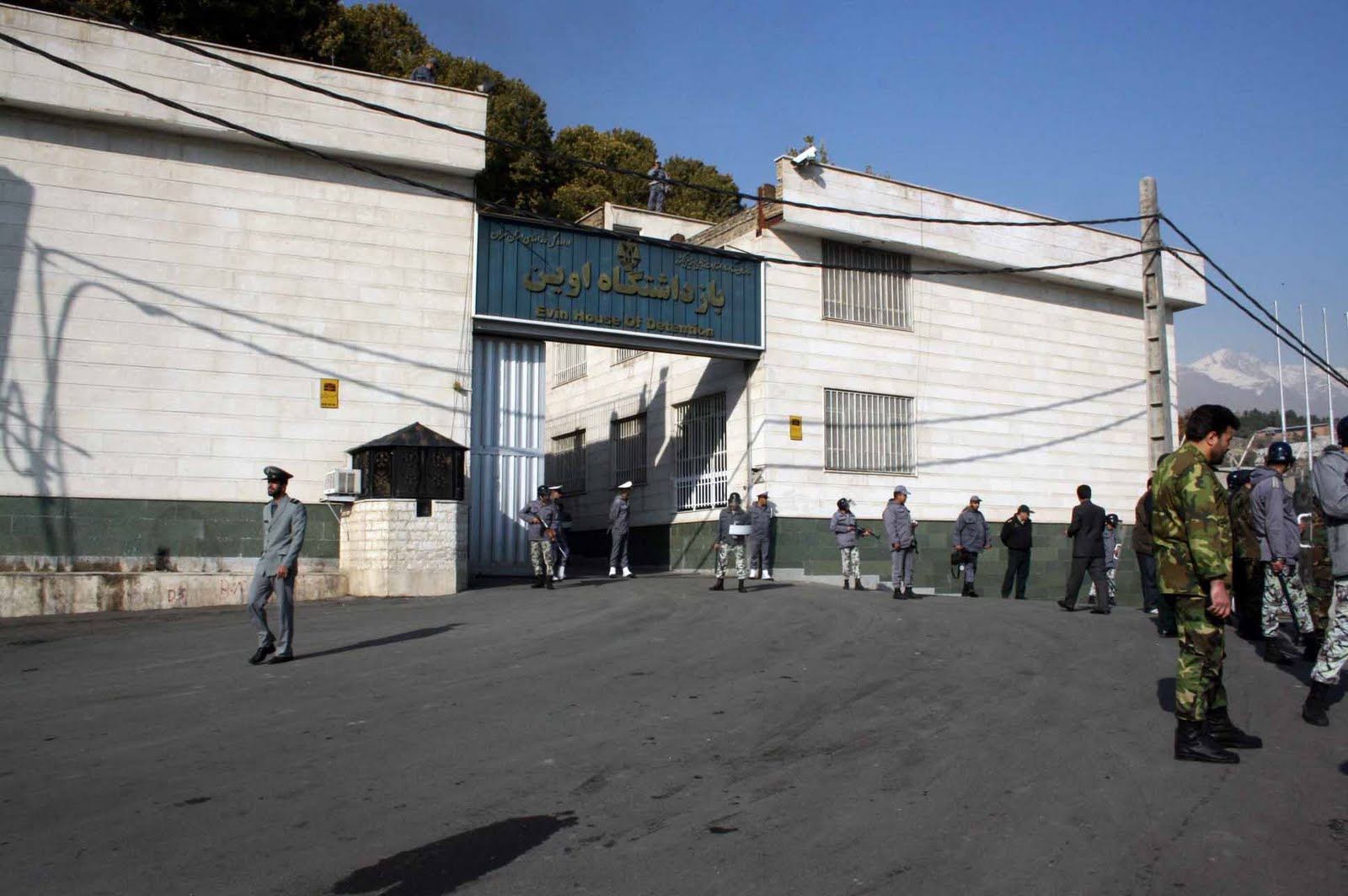
Gallery
From Wikimedia Commons (CC-BY-SA where not otherwise stated).

Photo by Jadi from Iran via Wikimedia Commons (CC BY 2.0)

Photo by Koosha Mahshid Falahi via Wikimedia Commons (Attribution)

Photo by Koosha Mahshid Falahi via Wikimedia Commons (Attribution)
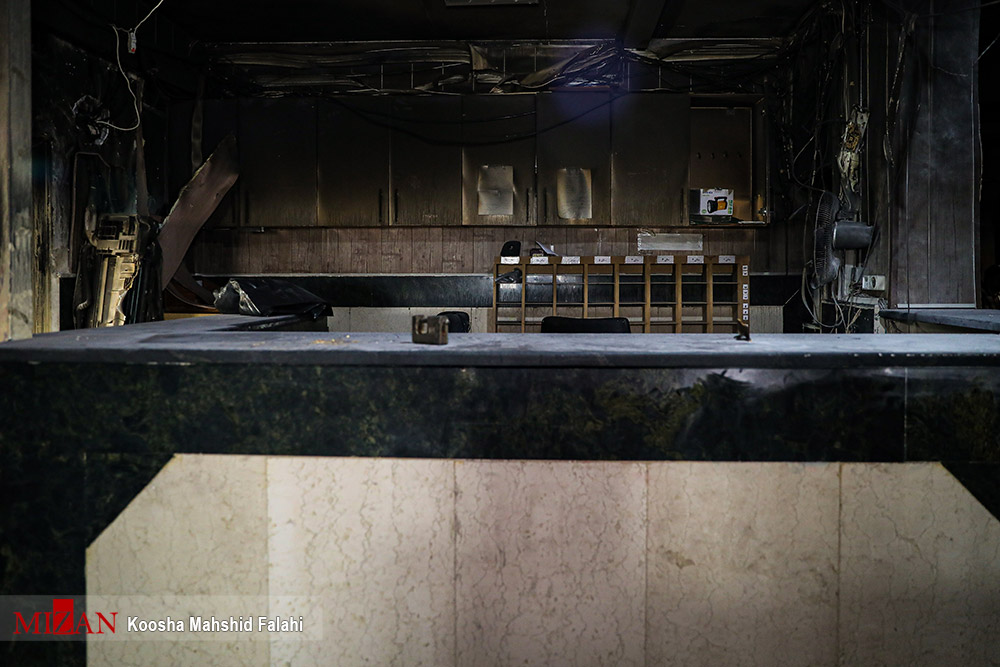
Photo by Koosha Mahshid Falahi via Wikimedia Commons (Attribution)

Photo by Koosha Mahshid Falahi via Wikimedia Commons (Attribution)

Photo by Koosha Mahshid Falahi via Wikimedia Commons (Attribution)

Photo by Koosha Mahshid Falahi via Wikimedia Commons (Attribution)

Photo by Koosha Mahshid Falahi via Wikimedia Commons (Attribution)
Background
Evin Prison (Persian: زÙدا٠اÙÛÙ, romanized: Zendân-e-Evin) is a prison located in the Evin neighborhood of Tehran, Iran. Established in 1972, and particularly notorious since the 1979 Islamic Revolution, it has become the Islamic Republic's most infamous detention facility. The prison serves as the primary site for incarcerating political prisoners, journalists, academics, human rights activists, dual nationals, and foreign citizens accused of espionage or propaganda offenses. The prison has become internationally known for its systematic human rights abuses. Numerous reports document torture methods such as beatings, electric shocks, mock executions, prolonged solitary confinement, forced confessions, sleep deprivation, and sexual abuse.
Source: Wikipedia article lead, CC-BY-SA.
Capacity
320
Current population
—
Occupancy
—
Year opened
1963
Operational
Figures from official sources · verified 29 May 2026 · methodology
Facility profile
Operator
—
Population held
Mixed/unknown
Opened
1963
Region
District 2
Security level
—
Death-row facility
No
Conditions
No conditions summary available yet.
Visiting
No visiting information available.
Mailing
No mailing information available.
Practical info
Contact the operator's website for inmate-specific procedures.
Known issues
No major issues documented in our database.
Notable inmates
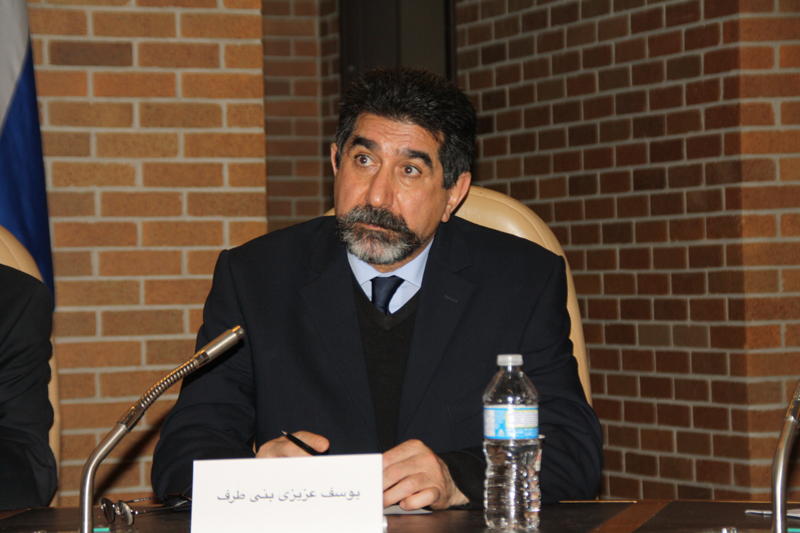 Yusef Azizi Bani-Torof1951 · journalist
Yousef Azizi (Bani-Torof) (born April 21, 1951 in Susangerd, Iran) is an Iranian Arab journalist living in exile in London, United Kingdom.
- Sattar Beheshti1977–2012 · blogger
 Mansour Osanlou1960 · worker
Mansour Osanlou (Persian: Ù ÙصÙر اساÙÙÙ) is a trade union activist in Iran, where he was imprisoned several times from 2005 to 2008.
 Mitra Farahani1975 · film director
Mitra Farahani (in Persian: Ù Ûترا ÙراÙاÙÛ; born 1975) is an Iranian filmmaker and painter who currently lives in Paris.
- Kamran Ghaderi? · businessperson
Kamran Ghaderi (Persian: کا٠را٠ÙادرÛ) is an Iranian-Austrian businessman who was imprisoned in Iran until 2023.
- Nahid Taghavi1954
 Fariba Adelkhah1959 · anthropologist
Fariba Adelkhah (Persian: ÙرÛبا عادÙØ®ÙاÙ; born 25 April 1959) is a French-Iranian anthropologist and academic at Sciences Po who was imprisoned in Iran from 2019 until 2023.
 Ahmad Batebi1977 · journalist
Ahmad Batebi (Persian: اØ٠د باطبÛ; born July 25, 1977) is an Iranian activist who was designated a prisoner of conscience by Amnesty International.
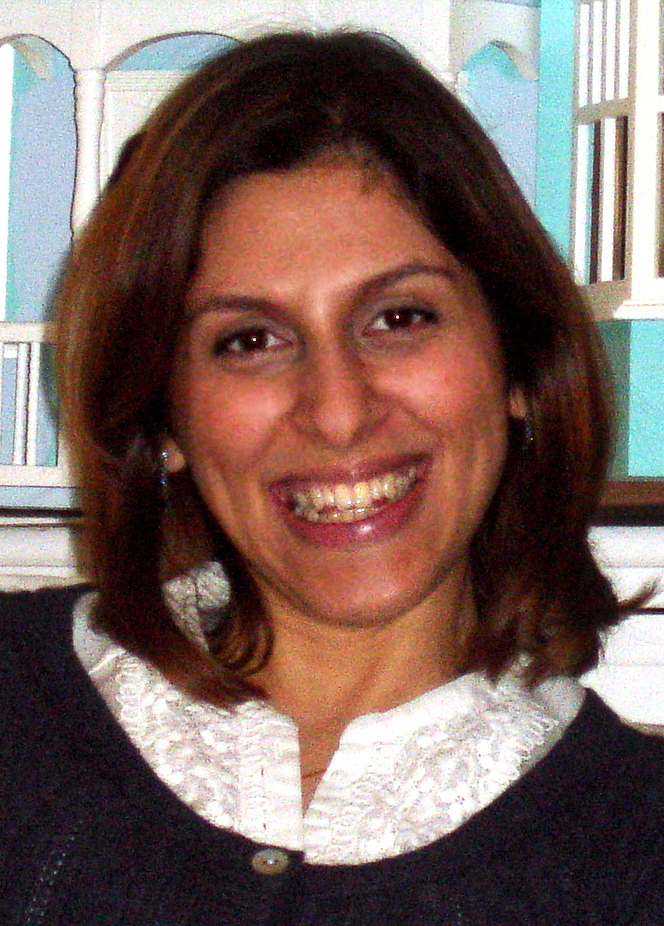 Nazanin Zaghari-Ratcliffe1978 · public relations executive
Nazanin Zaghari-Ratcliffe (née Zaghari; Persian: ÙازÙÛ٠زاغرÛ; born 26 December 1978) is an Iranian-British dual citizen who was detained in Iran from 3 April 2016 to 16 March 2022 as part of a long-running dispute between Britain and Iran.
Showing 9 of 12. Source: Wikidata + Wikipedia.
Contact & address
No public contact details available.
Conditions Risk Score
Derived signal — not a judgement. How it's calculated
Related facilities
Same country, matched on type + security level where possible.
Data completeness
22%How many of our profile fields are populated. We surface this so families and researchers know the limits.
Sources
- Wikipedia — Wikimedia Foundation
- Wikidata — Wikimedia Foundation
- Wikidata (Q387503)
- Wikipedia
- Wikimedia Commons
- See /data-sources for our overall methodology.
Cite this page
Under CC-BY-4.0. Include the URL and access date; the site is a living reference and entries can change.
World Prisons. (2026). Evin Prison. Retrieved October 15, 2026, from https://worldprisons.com/prisons/evin-prison
"Evin Prison." World Prisons. Accessed October 15, 2026. https://worldprisons.com/prisons/evin-prison.
@misc{worldprisons-evin-prison,
  author = {{World Prisons}},
  title = {Evin Prison},
  year = {2026},
  url = {https://worldprisons.com/prisons/evin-prison},
  urldate = {2026-10-15}
}