Thomas Malory
1405–1471
- Nationality
- Kingdom of England
- Occupation
- writer
Sir Thomas Malory was an English writer, the author of Le Morte d'Arthur, the classic English-language chronicle of the Arthurian legend, compiled and in most cases translated from French sources.
Incarceration history
Facilities
- MarshalseaDates unknown
Biography
Sir Thomas Malory was an English writer, the author of Le Morte d'Arthur, the classic English-language chronicle of the Arthurian legend, compiled and in most cases translated from French sources. The most popular version of Le Morte d'Arthur was published by the famed London printer William Caxton in 1485. Much of Malory's life history is obscure, but he identified himself as a "knight prisoner", apparently reflecting that he was either a criminal, a prisoner-of-war, or suffering some other type of confinement. Malory's identity has never been confirmed. Since modern scholars began researching his identity the most widely accepted candidate has been Sir Thomas Malory of Newbold Revel in Warwickshire, who was imprisoned at various times for criminal acts and possibly also for political reasons during the Wars of the Roses. Recent work by Cecelia Lampp Linton, however, presents new evidence in support of Thomas Malory of Hutton Conyers, Yorkshire.
Related people
Same nationality and era where possible; falls back to shared nationality or era.
- Owen Tudor1400–1461Kingdom of England
Sir Owen Tudor (Welsh: Owain ap Maredudd ap Tudur, c.â1400 â 2 February 1461) was a Welsh courtier and the second husband of Queen Catherine of Valois (1401â1437), widow of King Henry V of England.
- Thomas Shirley1542–1612Kingdom of England
Sir Thomas Shirley (c.1542 â October 1612), of Wiston in Sussex, was an English Member of Parliament, government official and courtier who is said to have suggested the creation of the title of baronet.
- Arthur Hall1539–1605Kingdom of England
Arthur Hall (1539â1605) was an English Member of Parliament, courtier and translator.
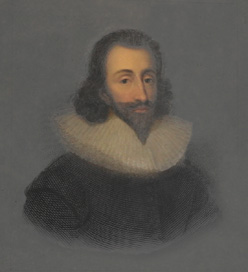 John Eliot1592–1632Kingdom of England
Sir John Eliot (11 April 1592 â 27 November 1632) was an English statesman who was serially imprisoned in the Tower of London, where he eventually died, by King Charles I for advocating the rights and privileges of Parliament.