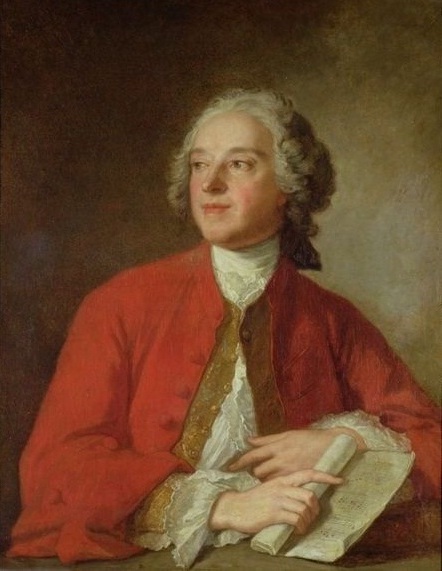
Pierre Beaumarchais
1732–1799
- Nationality
- France
- Occupation
- musician
Pierre-Augustin Caron de Beaumarchais (pronounced [pjÉÊ oÉ¡ystÉÌ kaÊÉÌ d(É) bomaÊÊÉ]; né Caron; 24 January 1732 â 18 May 1799) was a French playwright and diplomat of the Age of Enlightenment.
Incarceration history
Facilities
- Prison de l'AbbayeDates unknown
Biography
Pierre-Augustin Caron de Beaumarchais (pronounced [pjÉÊ oÉ¡ystÉÌ kaÊÉÌ d(É) bomaÊÊÉ]; né Caron; 24 January 1732 â 18 May 1799) was a French playwright and diplomat of the Age of Enlightenment. Best known for his three Figaro plays, at various times in his life he was also a watchmaker, inventor, musician, spy, publisher, arms dealer, and revolutionary (both French and American). Born a Parisian watchmaker's son, Beaumarchais rose in French society and became influential in the court of Louis XV as an inventor and music teacher. He made a number of important business and social contacts, played various roles as a diplomat and spy, and had earned a considerable fortune before a series of costly court battles jeopardized his reputation. An early French supporter of American independence, Beaumarchais lobbied the French government on behalf of the American rebels during the American War of Independence. Beaumarchais oversaw covert aid from the French and Spanish governments to supply arms and financial assistance to the rebels in the years before France's formal entry into the war in 1778. He later struggled to recover money he had personally invested in the scheme. Beaumarchais was also a participant in the early stages of the 1789 French Revolution.
Related people
Same nationality and era where possible; falls back to shared nationality or era.
 Antoine-Jean Amelot de Chaillou1732–1795France
Antoine-Jean Amelot de Chaillou (19 November 1732 â 20 April 1795, the 1st of Floréal in year III of the Revolutionary calendar) was a French politician. The son of Jean-Jacques Amelot de Chaillou and Marie Anne de Vougny, he held a number of positions throughout his political career.
 Jacques Pierre Brissot1754–1793France
Jacques Pierre Brissot (French pronunciation: [Êak pjÉÊ bÊiso]; 15 January 1754 â 31 October 1793), also known as Brissot de Warville, was a French journalist, abolitionist, and revolutionary leading the faction of the Girondins (initially called Brissotins) at the National Convention in Paris.
 Thomas Bouquerot de Voligny1755–1841France
Thomas André Marie Bouquerot de Voligny (27 August 1755 in Asnan â 26 August 1841 in Paris) was a French magistrate and politician.
- Jean Zorobabel Aublet de Maubuy1730–1810France
 Armand de Foucauld de Pontbriand1751–1792France
Armand de Foucauld de Pontbriand (24 November 1751 â 2 September 1792) was a French Catholic prelate who served as vicar general of the Archdiocese of Arles and was one of the 191 Catholic Martyrs of September 1792, killed in the September Massacres during the French Revolution.
 Antoine Destutt de Tracy1754–1836France
Antoine Louis Claude Destutt, comte de Tracy (French: [dÉstyt dÉ tÊasi]; 20 July 1754 â 9 March 1836) was a French Enlightenment aristocrat and philosopher who coined the term "ideology" and was the leading theorist of the idéologues.