_-_Elliott_&_Fry,_London_LCCN99401870_(frameless).jpg)
Horatio Bottomley
1860–1933
- Nationality
- United Kingdom
- Occupation
- politician
Horatio William Bottomley (23 March 1860 â 26 May 1933) was an English financier, journalist, editor, newspaper proprietor, swindler, and Member of Parliament.
Incarceration history
Facilities
- HMP Wormwood ScrubsDates unknown
- HM Prison BrixtonDates unknown
- HM Prison MaidstoneDates unknown
Biography
Horatio William Bottomley (23 March 1860 â 26 May 1933) was an English financier, journalist, editor, newspaper proprietor, swindler, and Member of Parliament. He is best known for his editorship of the popular magazine John Bull, and for his nationalistic oratory during the First World War. His career came to a sudden end when, in 1922, he was convicted of fraud and sentenced to seven years' imprisonment. Bottomley spent five years in an orphanage before beginning his career, aged 14, as an errand boy. Subsequent experience as a solicitor's clerk gave him a useful knowledge of English law, which he later put to effective use in his court appearances. After working as a shorthand writer and court reporter, at 24 he founded his own publishing company, which launched numerous magazines and papers, including, in 1888, the Financial Times. He overreached with an ambitious public flotation of his company, which led to his first arraignment on fraud charges in 1893. Despite evidence of malpractice, Bottomley, who defended himself, was acquitted. He subsequently amassed a fortune as a promoter of shares in gold-mining companies. In 1906 Bottomley entered parliament as the Liberal Party member for Hackney South. In the same year, he founded the popular magazine John Bull, which became a platform for Bottomley's trenchant populist views. Financial extravagance and mismanagement continued to blight his career, and in 1912 he had to resign from parliament after being declared bankrupt. The outbreak of war in 1914 revived his fortunes; as a journalist and orator, Bottomley became a leading propagandist for the war effort, addressing well over 300 public meetings. His influence was such that it was widely expected that he would enter the War Cabinet, although he received no such offer. In 1918, having been discharged from bankruptcy, Bottomley re-entered parliament as an Independent member. In the following year, he launched his fraudulent "Victory Bonds" scheme which, when exposed, led to his conviction, imprisonment and expulsion from parliament. Released in 1927, he attempted unsuccessfully to relaunch his business career and eked out a living by lecturing and appearances in music halls. His final years before his death in 1933 were spent in poverty.
Related people
Same nationality and era where possible; falls back to shared nationality or era.
- Benjamin Dale1885–1943United Kingdom
Benjamin James Dale (17 July 1885 â 30 July 1943) was an English composer and academic who had a long association with the Royal Academy of Music.
 Leonora Cohen1873–1978United Kingdom
Leonora Cohen (née Throp; 15 June 1873 â 4 September 1978) was an English suffragette and trade unionist, and one of the first female magistrates.
.jpg) Charlotte Despard1844–1939United Kingdom
Charlotte Despard1844–1939United KingdomCharlotte Despard (née French; 15 June 1844 â 10 November 1939) was an Anglo-Irish suffragist, socialist, pacifist, Sinn Féin activist, and novelist.
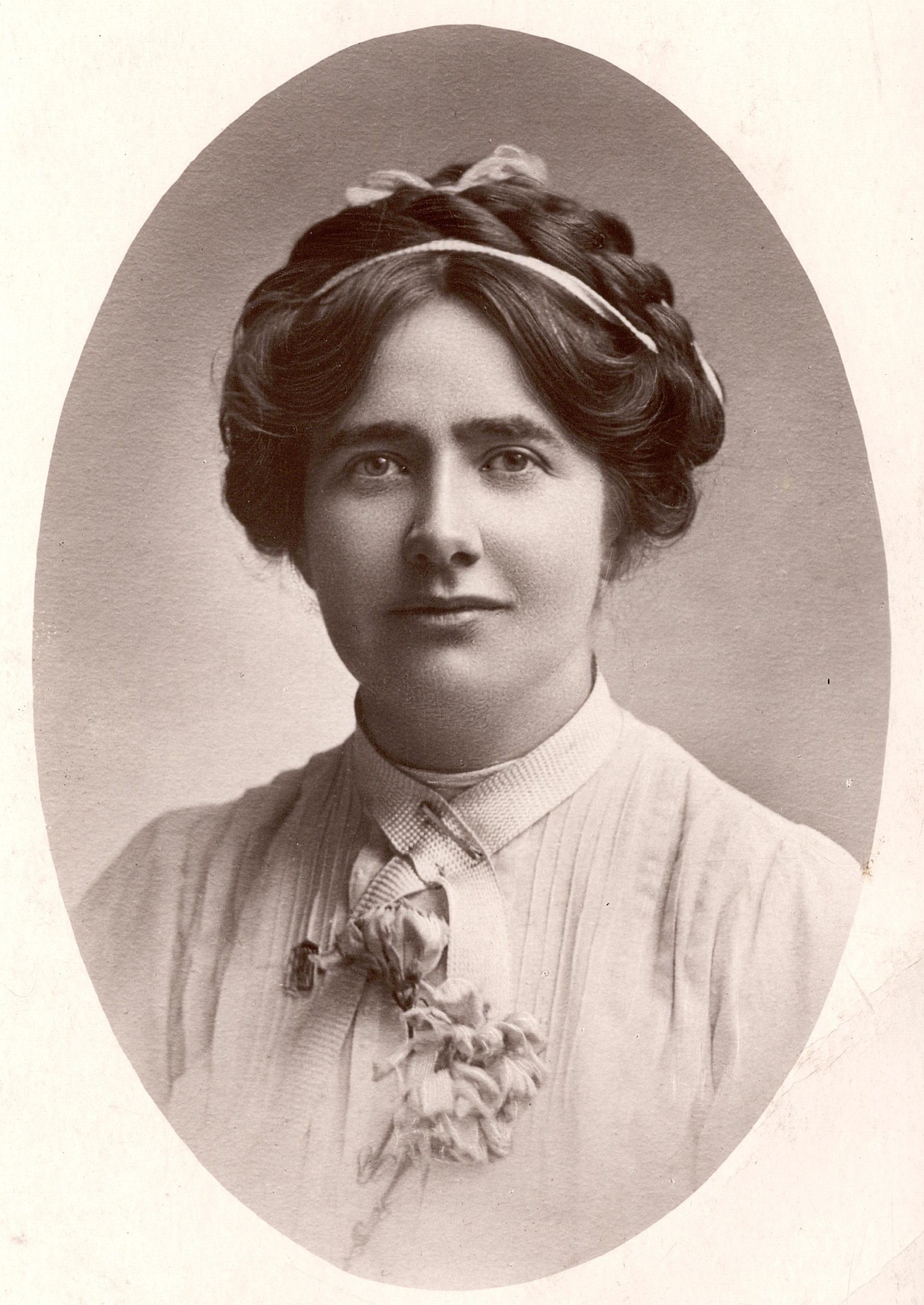 Teresa Billington-Greig1877–1964United Kingdom
Teresa Billington-Greig (15 October 1876 â 21 October 1964) was a British writer and suffragette who was one of the founders of the Women's Freedom League in 1907.
.jpg) Clara Codd1876–1971United Kingdom
Clara Codd1876–1971United KingdomClara Margaret Codd (10 October 1876 â 3 April 1971) was a British writer, suffragette, socialist feminist, and theosophist.
 Mary Phillips1880–1969United Kingdom
Mary Elizabeth Phillips (15 July 1880 â 21 June 1969) was an English suffragette, feminist and socialist.