All persons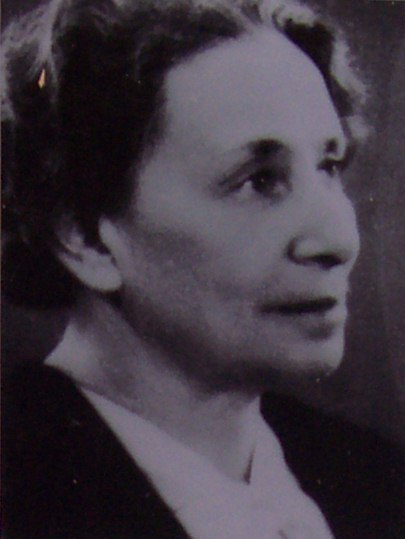
Else Ury
1877–1943
- Nationality
- German Reich
- Occupation
- writer
Else Ury (1 November 1877 â 13 January 1943) was a German-Jewish novelist and children's book author.
Incarceration history
Facilities
- Zigeunerlager AuschwitzDates unknown
- Zigeunerlager AuschwitzDates unknown
Biography
Else Ury (1 November 1877 â 13 January 1943) was a German-Jewish novelist and children's book author. Her best-known character is the blonde doctor's daughter Annemarie Braun, whose life from childhood to old age is told in the ten volumes of the highly successful Nesthäkchen series. The books, the six-part TV series Nesthäkchen (1983), based on the first three volumes, as well as the new DVD edition (2005) caught the attention of millions of readers and viewers. During Ury's lifetime Nesthäkchen und der Weltkrieg (Nesthäkchen and the World War), the fourth volume, was the most popular. Else Ury was a member of the German Bürgertum (middle class). She was pulled between patriotic German citizenship and Jewish cultural heritage. This situation is reflected in her writings, although the Nesthäkchen books make no references to Judaism. In 1943, Else Ury was deported to Auschwitz concentration camp, where she is thought to have died the day after her arrival.
Related people
Same nationality and era where possible; falls back to shared nationality or era.
 Sally Mayer1889–1944German Reich
- Dagobert Lubinski1893–1943German Reich
- Fritz Zeckendorf1886–1943German Reich
Fritz Zeckendorf (1886â1943) was a Hungarian screenwriter and novelist, active in German cinema during the Weimar era.
 Arnold Zadikow1884–1943German Reich
Arnold Zadikow (27 March 1884, in Kolberg, Pomerania â 8 March 1943, at the Theresienstadt ghetto) was a modernist German-Jewish sculptor and medalist who worked in Germany and France.
 Magda Spiegel1887–1944German Reich
Magda Spiegel (1887â1944) was a German contralto who was a member of the Frankfurt Opera ensemble and was murdered in the Auschwitz concentration camp.
